








What Size Paper Cups Do You Need for Coffee Service?
Choosing paper cups for coffee service sounds simple until you have to decide between 4oz, 8oz, 12oz and 16oz. The right choice depends on your drinks, your recipes and whether customers will take them away. A cup that is too small leaves no room for milk or foam; one that is too large can make a carefully prepared coffee look lost.
This guide explains the common sizes, how to match them to your menu and what else to check before ordering paper cups for coffee service.
Key takeaways
- Choose cup sizes around the drinks you actually make, including milk, foam and room below the lid.
- 4oz cups suit espresso service; 8oz, 12oz and 16oz give you options for progressively larger drinks.
- An ounce label is a useful size guide, but check each product’s stated millilitre capacity and dimensions.
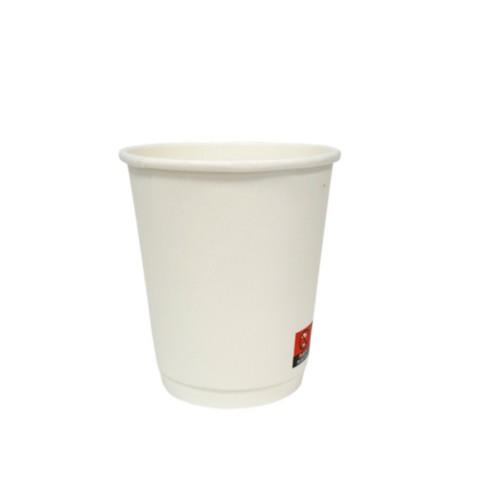
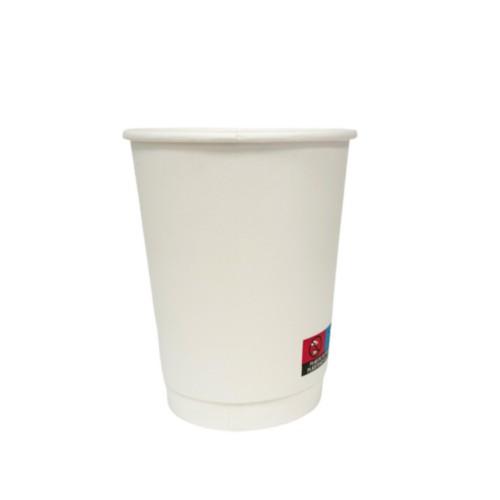
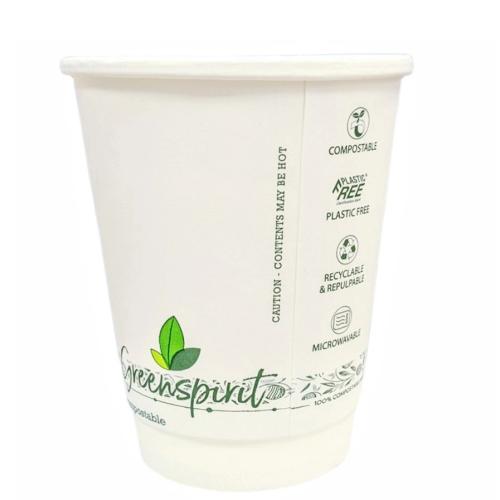
- Single wall, double wall and ripple wall cups feel different in the hand, even at the same capacity.
- Check that lids fit the particular cup range and rim diameter before buying them in bulk.
What do paper cup sizes mean?
Takeaway cups are commonly labelled in ounces, often written as “oz”. The number describes the cup’s nominal capacity. It is a convenient way to compare sizes, but it should not be treated as the exact amount of finished coffee you can comfortably serve. You need space at the top to carry the drink and fit a lid.
The examples below reflect capacities shown among Hygiene.ie’s hot cups and accessories. Individual products may differ, so check the listing for the cup you plan to buy.
| Cup size | Example listed capacity | Possible use |
|---|---|---|
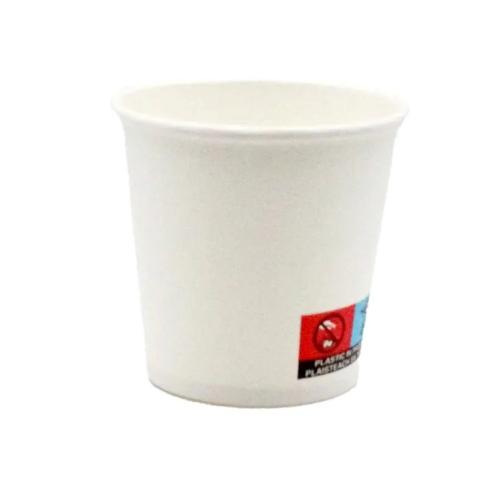
| 4oz | Around 112–114ml | Espresso, short drinks or tasting portions |
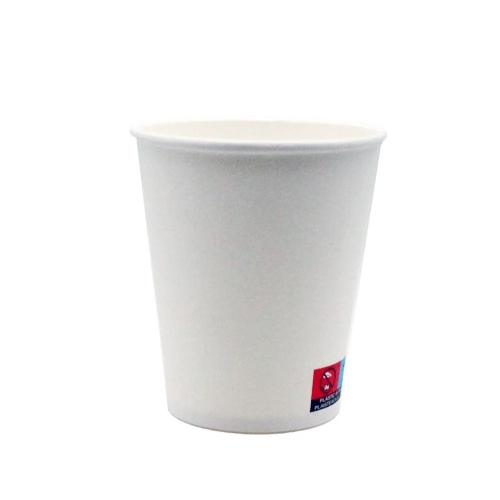
| 8oz | Around 225–230ml | A smaller takeaway coffee |
| 12oz | Around 340ml | A regular milk-based drink or hot chocolate |
| 16oz | Around 455ml | A larger drink where your menu calls for one |
Allow room for the finished drink
A recipe measured at 225ml does not necessarily belong in a cup listed at 225ml. Milk foam, whipped toppings and the space needed below a lid all affect the choice. Make a drink as you would during service, fit its lid and check whether staff can carry it without spilling. That small trial is more useful than choosing from the ounce label alone.
Which size suits your coffee menu?
There is no universal rule that every flat white or latte must be served in one particular cup. Recipes differ between cafés, and customers may understand “small” and “regular” differently. Start with the drinks you sell most often, then choose sizes that make those portions look and feel right.
4oz for espresso and short serves
A 4oz paper cup offers space to serve an espresso without using a much larger takeaway cup. It can also be useful for short coffees or samples. Check whether you need a lid for these drinks, as the lid choice for an espresso cup may differ from your larger sizes.
8oz for a smaller coffee
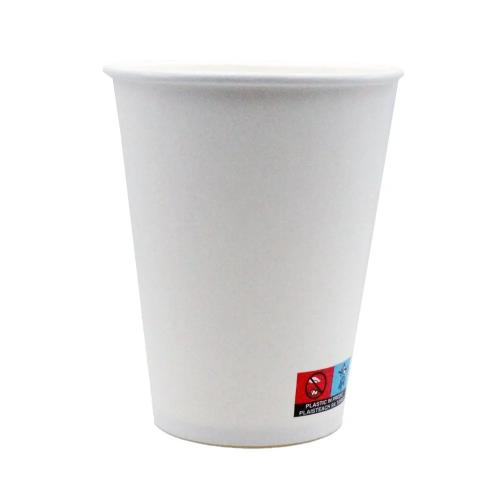
An 8oz cup can be a useful small size for a menu built around shorter milk drinks, smaller Americanos or a modest takeaway serving. If you are starting a limited coffee offer, a product such as an 8oz hot cup and lid pack illustrates how a matched set can simplify ordering. Check its wall construction and pack quantity against your own needs.
12oz as a regular option
For many menus, a 12oz cup gives more space for milk-based coffees and hot chocolate. It may serve as your regular size, provided your actual recipe fills it appropriately. Test the drink rather than assuming that a “regular” label tells customers exactly how much coffee they will receive.
16oz for genuinely larger drinks
A 16oz cup is worth considering if large lattes, hot chocolates or other substantial drinks are a meaningful part of your menu. It need not be part of every café’s range. Adding another size means another stack of cups and potentially another set of lids to store and replenish.
If you also serve iced coffee, choose packaging suited to cold drinks rather than assuming the same hot paper cup is your best option. The disposable cold drink cups range includes clear cups and matching styles of lids for a different type of service.
Single wall, double wall or ripple wall?
Capacity is only part of the buying decision. Two 12oz cups can hold similar amounts of coffee but feel quite different to customers.
- Single wall cups have one paper wall. They can be a practical choice where a sleeve is used or the serving arrangement suits them, but check how comfortable they are to hold with your hottest drinks.
- Double wall cups have an additional layer that provides more separation between the drink and the customer’s hand. They may reduce the need for a separate sleeve.
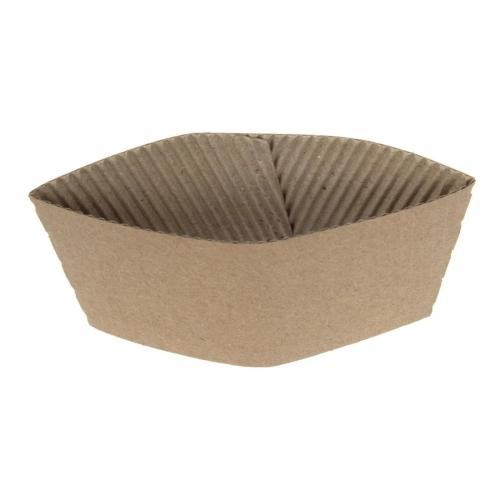
- Ripple wall cups have a textured outer layer that adds grip and separation from the hot inner cup. They also give a takeaway drink a distinctive appearance.
Pour and handle a sample of each style using your usual drink temperature. Staff will quickly notice whether a cup feels secure, whether it stacks neatly and whether customers can carry it comfortably. A description such as “double wall” is helpful, but a real service test settles the question.
Lids and the rest of the takeaway setup
Match the lid to the cup
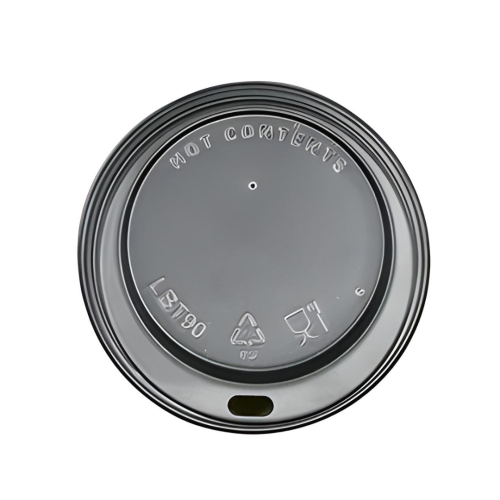
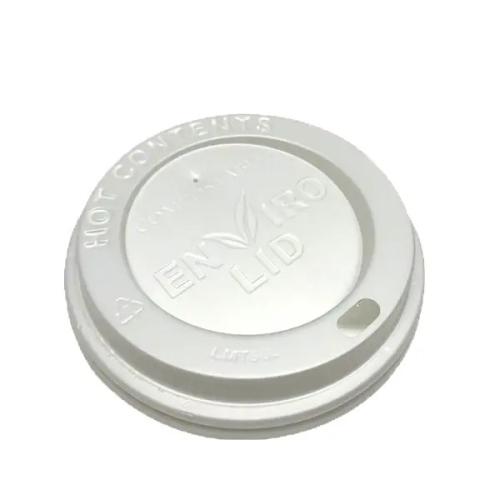
Do not assume an 8oz lid fits every 8oz cup. Rim diameters and designs vary between ranges, and even two cup sizes from one range may use different lids. Check the product specifications or a stated compatibility before ordering takeaway cup lids separately. A lid that seats properly matters far more than one that merely looks close enough.
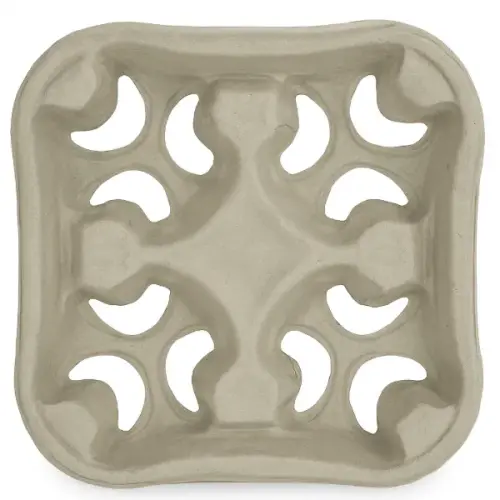
For customers ordering several drinks at once, a carrier can make the handover easier. Stirrers may also be useful if you serve sugar or other additions at the counter. You can check the available cup stirrers and related accessories alongside your cup order.
Think about how customers receive the drink
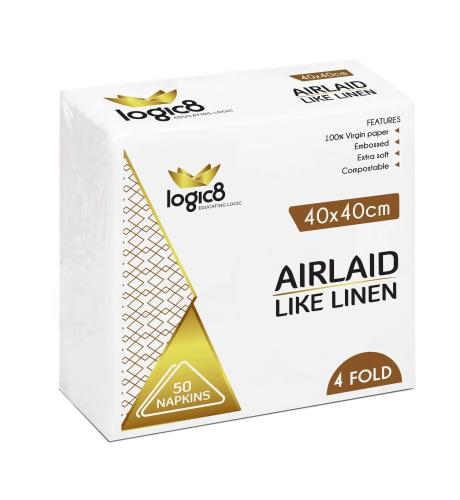
A takeaway station needs to work at its busiest point, not only when one customer is ordering. Leave space for the cups you use most, keep the correct lids beside them and make it easy for staff to find a paper napkin when handing over a drink. A simple layout can prevent the small pauses that build into a queue.
What should you check about cup materials?
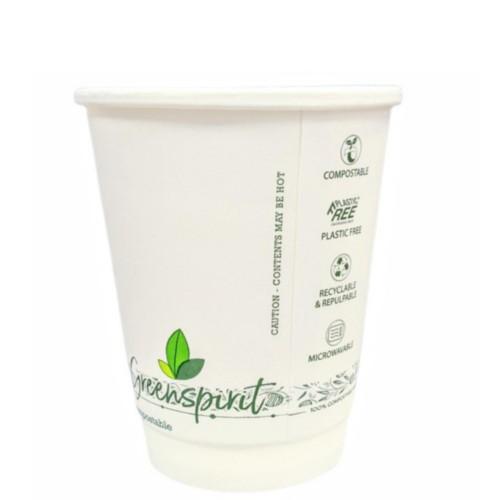
A cup described as “paper” may have a lining or coating that helps it hold liquid. Products also differ in how they are made and what disposal route is suitable for them. Check each item’s description before calling it recyclable or compostable, and make sure the appropriate collection route is available where it will be used.
If material choice matters to your business, compare the stated properties of the cups with other eco friendly disposable options. Do not assume that a compostable cup can simply go in any recycling bin, or that every paper cup belongs in the same waste stream.
Material choices extend beyond the cup itself. Our guide to common catering supply materials provides wider context when you are comparing cups with other items used around a café or takeaway counter.
How many cup sizes should you stock?
Begin with the smallest range that covers your menu properly. A café selling espresso, a small coffee and a regular latte might need three sizes. Another venue may find that one main takeaway size plus an espresso cup covers nearly every order. Adding a large option makes sense when customers actually buy it, rather than because a four-size menu feels more complete.
Look at a typical week’s sales and estimate how many cups of each size you use. Then allow for busier days, delivery lead time and the storage space available for full cases. Remember to count lids separately unless you are buying a combined pack. A bargain on a large case is less useful if the cups occupy precious space or are the wrong size for your recipes.
If coffee is sold with pastries or takeaway food, plan the rest of the order at the same time. The disposable food packaging range covers that side of service, while our article on choosing catering disposables for takeaways and events looks at the wider packaging decision.
The best starting point is to make your most popular drinks in a few candidate cups. Check the fill level, lid fit and feel in the hand. Once those work, you can order with more confidence and give customers a consistent serve.
Frequently asked questions
Are paper cups suitable for hot coffee?
Paper cups sold specifically as hot cups are designed for hot drink service. Check the individual product description and use the cup as intended. A cup intended for cold drinks should not automatically be treated as suitable for hot coffee.
Is an 8oz cup a small coffee?
It can be a useful small takeaway size, but “small” is a menu choice rather than a fixed industry rule. Compare the cup with your finished drink, including milk or foam and space for a lid.
Will the same lid fit 8oz and 12oz paper cups?
Sometimes a manufacturer uses the same rim diameter across sizes, but you should not assume that it does. Check the stated lid compatibility for the exact cups you are ordering.
What paper cup size is best for a flat white?
Choose according to your flat white recipe and how you present it. It is usually a shorter drink than a large latte, but cafés vary. Make one in the proposed cup and check the finished level before committing to a case.